

Research
Industry-leading feedlot research, infrastructure, and expertise
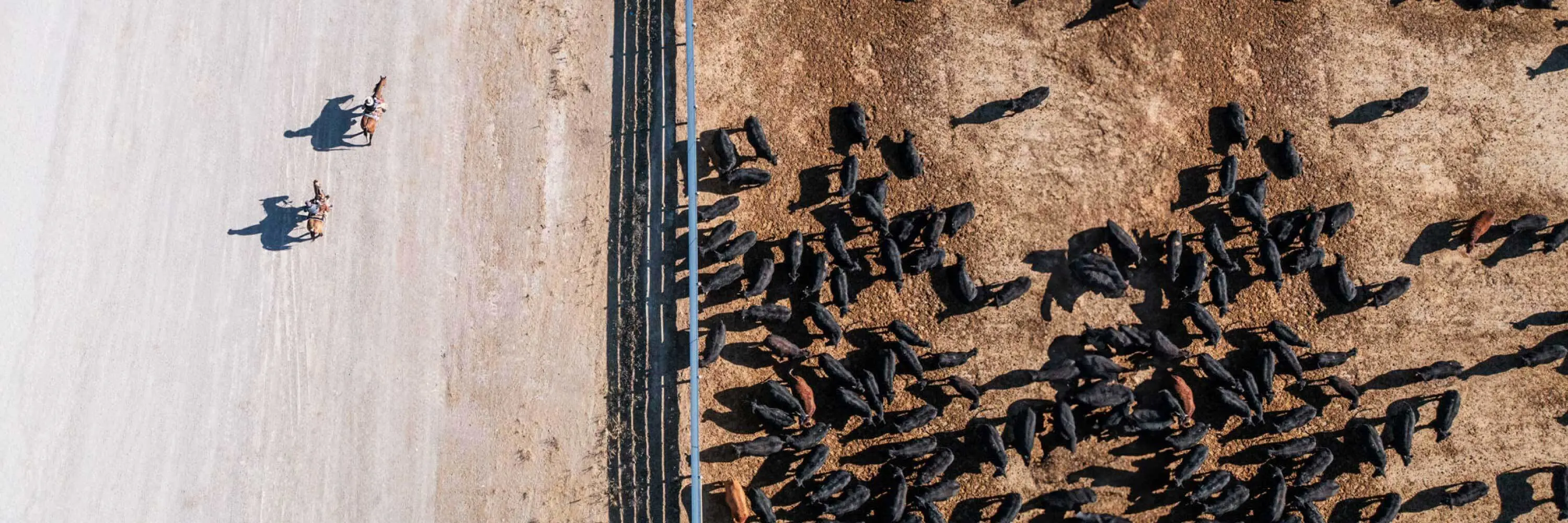
TELUS Agriculture cattle health and production research uses large- and small-pen commercial research to provide specific answers to broad questions.
Product highlights

Global data integration and analysis feedlot research solutions
User friendly data collection and data storage tools
Answer cattle research questions important to your feedlot
Expert team of veterinarians and cattle production specialists
Customized small-pen studies to gain a competitive edge
Product licensing and field effectiveness studies
Robust research implementation standards
Publicly-funded research
Key Features
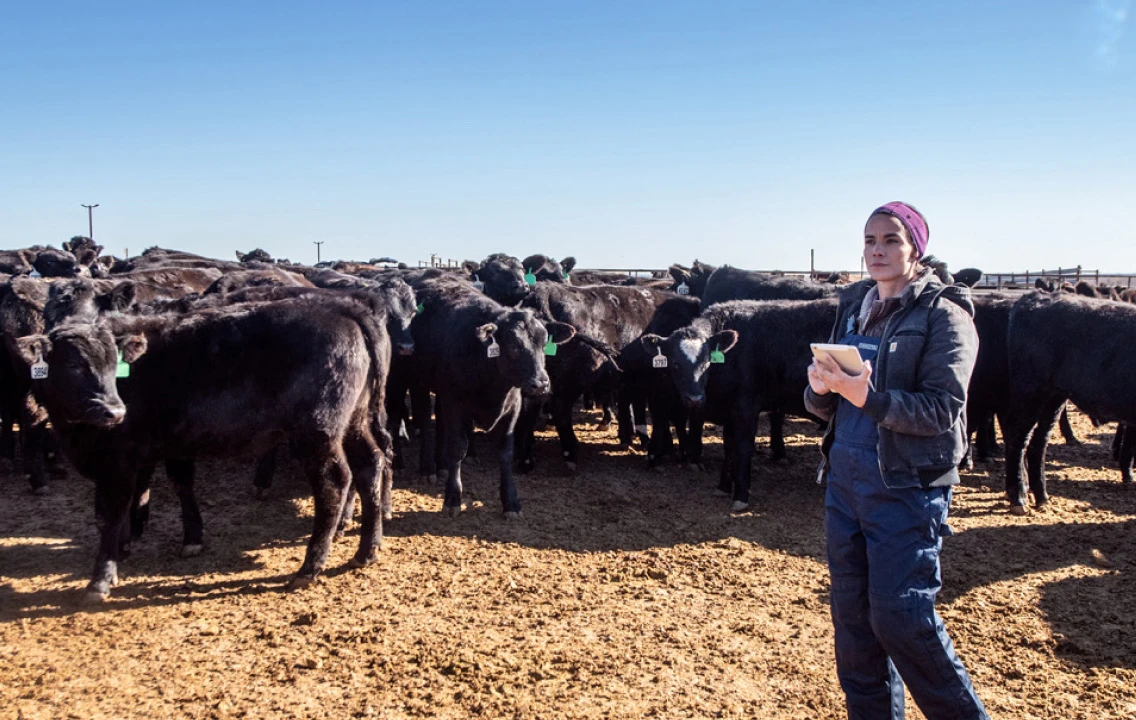
A team of renowned cattle industry experts
Combined, our team of consulting veterinarians and Ph.D. animal scientists have decades of experience making data-informed decisions using animal record management tools.
A variety of research solutions to meet your needs
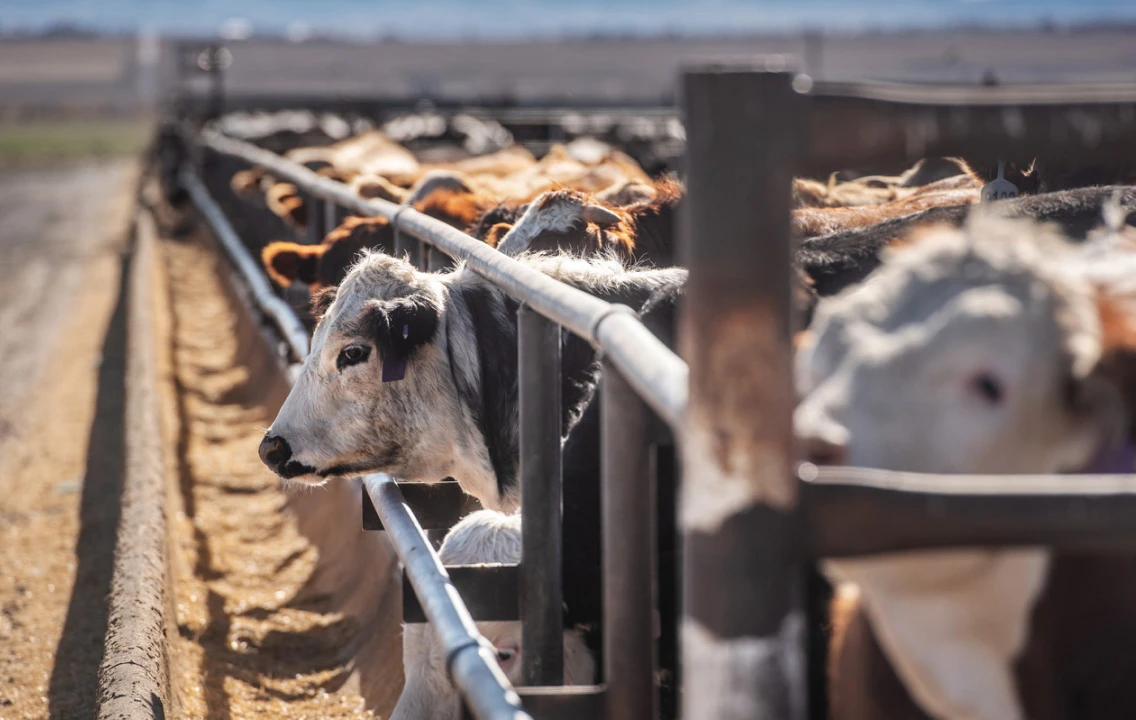
Conduct research on any scale from small pilot studies to large-scale commercial field trials, both in real-world production settings, to help drive effective decision making and supporting business goals.
Answer questions important to your business
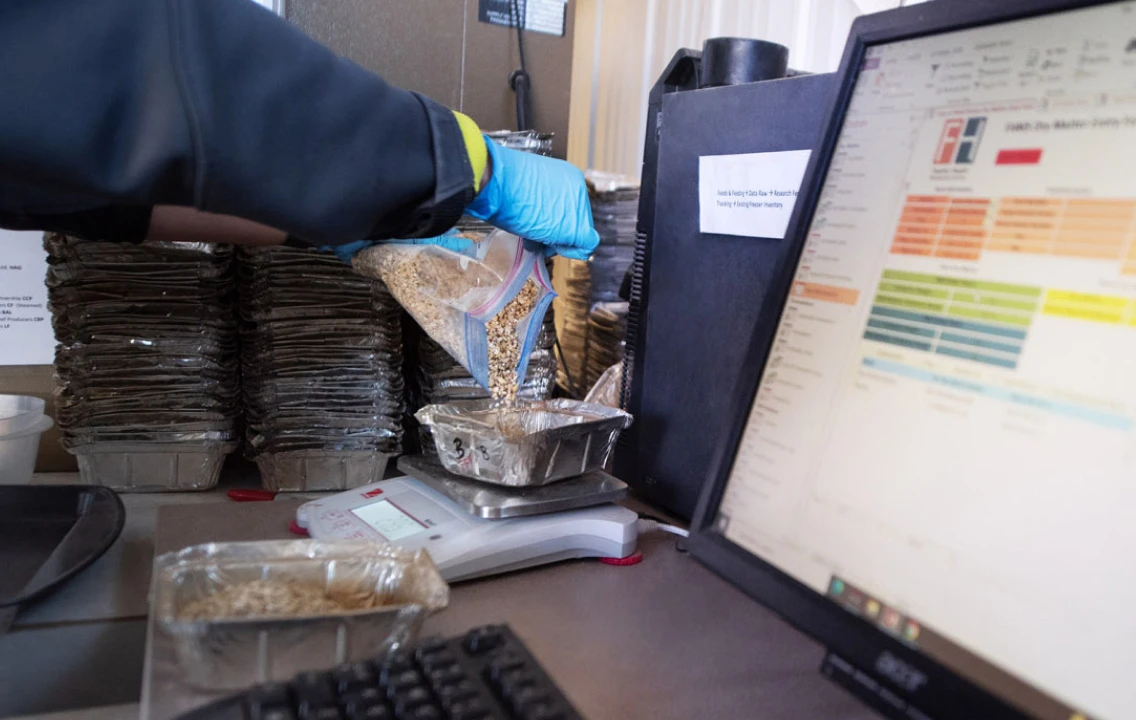
Gain a competitive edge in your own part of the world, test your product development and benefit from our in-house research knowledge.
Benefits

- Research solutions
Global data integration and analytic solutions, with emphasis on providing high-quality data to answer the research questions important to your business.
- User-friendly data collection and storage tools
Our team supports informed decision making by developing and testing industry leading data collection platforms and data management solutions to fit your needs.
- Conduct relevant research
Conduct studies where they matter most: in commercial feedlots and calf growers to accurately reflect relevant animal behaviour, environments and management practices.
- Customized small-pen studies
Whether you are looking to formally evaluate health, nutrition or production interventions, or to pilot new technology, our GrowSafe and replicated small-pen studies can help.
- Robust research implementation standards
Conduct your research with a team knowledgeable in animal welfare standards, study design, field implementation, data quality control, and results interpretation track record.
- Publicly-funded research
Receive insights from TELUS Agriculture’s collaborations with academic institutions, independent research firms and government agencies to provide information on important industry topics.
Featured resources
Get started today
Contact us and a TELUS Agriculture & Consumer Goods sales representative will be in touch to assist you.
Schedule a call with an expert